

Level up your dentistry
 |
Two Clinically Proven IDS WorkflowsIDS is based on one key principle: Fresh dentin provides the optimal substrate for hybrid layer formation and long-term bond durability. Over time, two IDS workflows have proven to be clinically reliable. Conventional IDS (Etch-and-Rinse Approach)Maximum control and long-term evidence Workflow
• Etch dentin with phosphoric acid • Apply multi-step adhesive • Light cure → sealed dentin surface Clinical Case
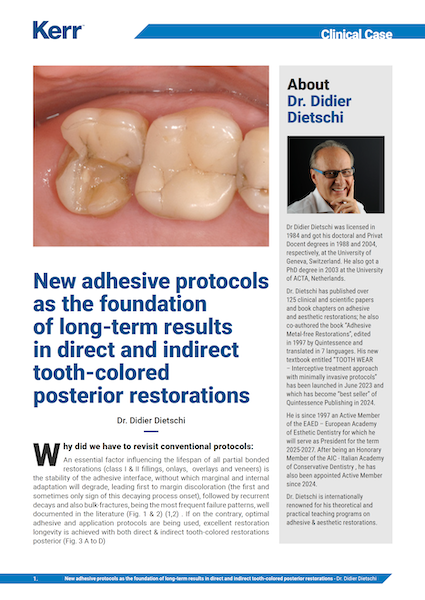 Immediate Dentin Sealing in Daily PracticeIn this detailed clinical case, Dr. Didier Dietschi demonstrates how Immediate Dentin Sealing can be integrated into indirect restorative workflows, supporting predictable and long-term clinical outcomes. IDS with Resin Coating (Adhesive + Flowable Layer)Simplified workflow with enhanced sealing Workflow
• Apply universal adhesive • Cover with thin layer of flowable composite • Light cure → reinforced sealed dentin Scientific Study
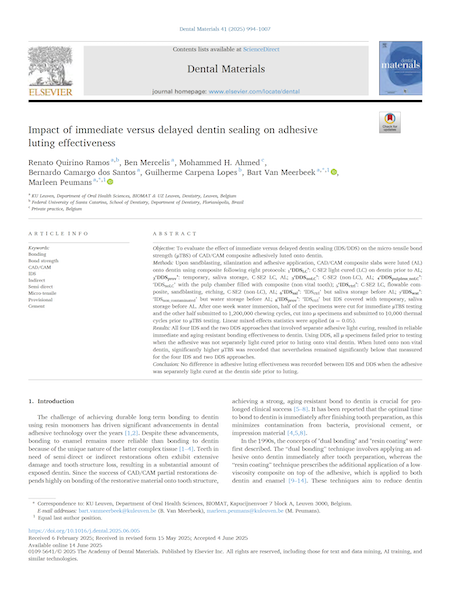 Immediate vs. Delayed Dentin SealingThis peer-reviewed in-vitro study by Ramos et al. evaluates the effect of Immediate Dentin Sealing compared to Delayed Dentin Sealing on adhesive luting effectiveness, offering a clear, data-driven perspective on IDS performance. |
|
“
 IDS is a fast and easy way to protect prepared dentin and promote the longevity of the restoration, and as a bonus, patients will not suffer from sensitivity during the provisional phase. Dr Michaela Jarešová
Czech Republic
|
Choosing the Right Approach – Supporting Immediate Dentin Sealing with Proven Adhesive SolutionsConventional IDSWhen the clinical priority is maximum bond strength and control, the recommended approach is Conventional IDS. It is best for clinicians who want maximum control of the adhesive interface and proven long‑term performance. Recommended Products for This Technique
IDS with Resin CoatingWhen the clinical priority is efficiency and a simplified protocol, the recommended approach is IDS with Resin Coating. It is best for clinicians looking for a more efficient workflow with strong sealing performance. Recommended Products for This Technique
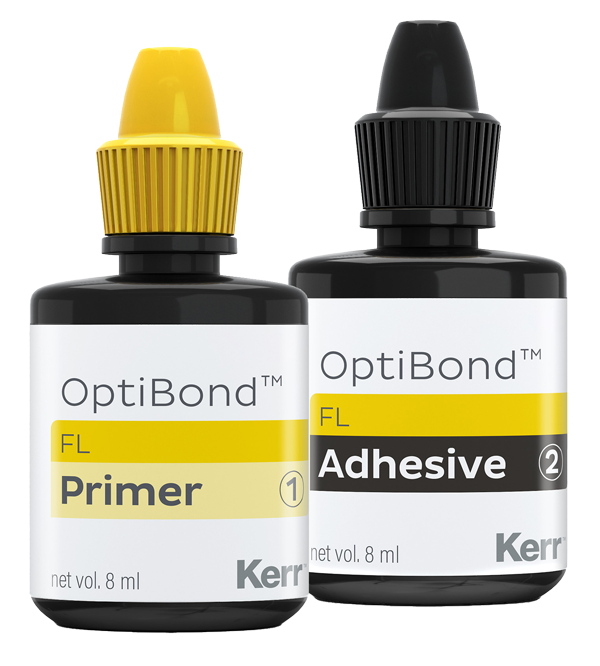 OptiBond™ FL – 3‑step, filled adhesive with long‑term clinical validation and consistent bond durability 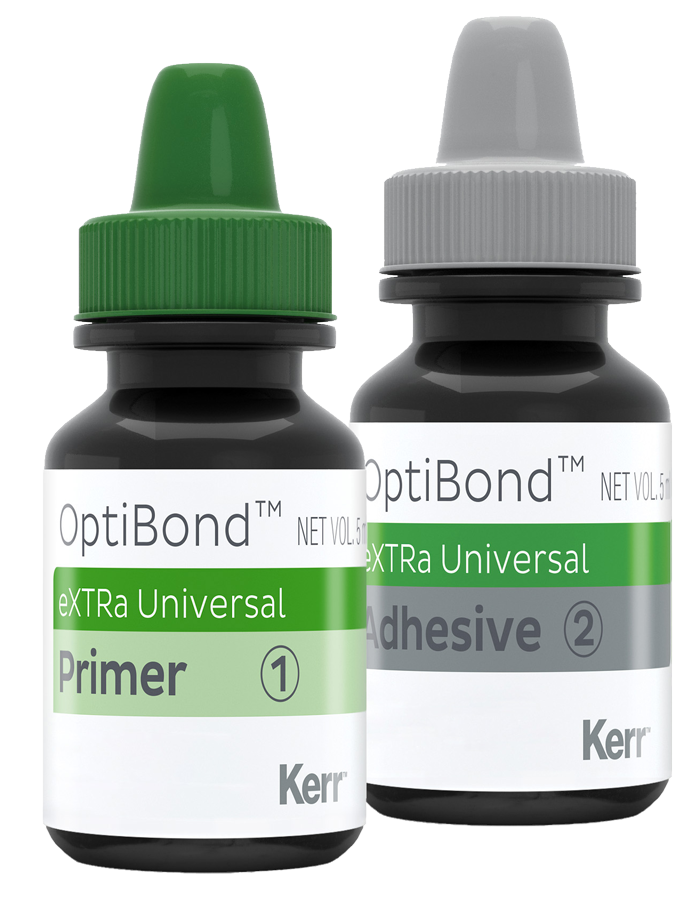 OptiBond™ eXTRa Universal – 2‑bottle system combining simplified handling with high bond strength across substrates Try it now
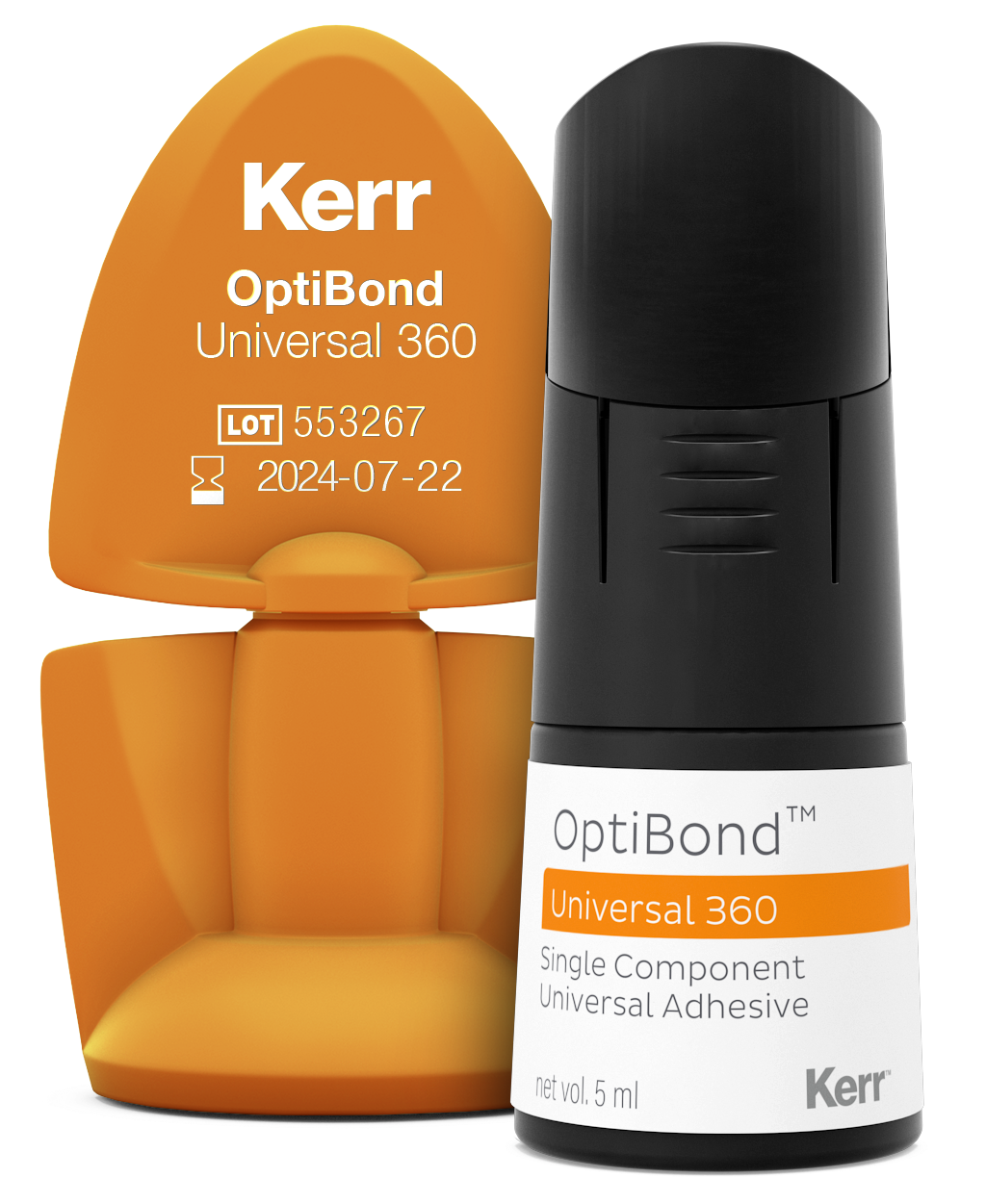 OptiBond™ Universal 360 – universal adhesive featuring MDP and GPDM monomers for reliable chemical and micromechanical bonding Request a sample
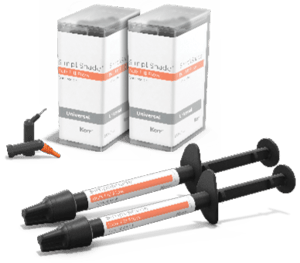 SimpliShade™ Bulk Fill Flow – flowable composite used as a thin “resin coating” layer for improved adaptation Why this works Why this works |